
Military Drug Crimes Defense.
UCMJ drug charges do not stay inside the military justice system. They reach into security clearance adjudication, federal employment eligibility, and the civilian record long after separation. State marijuana legalization does not change federal law, and federal law is what applies. If you received a military charge sheet, the 15-minute call is free.
Free 15-min CallFree 15-min call, no charge, confidential.
Overview
Military Drug Crimes Defense
UCMJ drug charges and drug-related security clearance issues often arrive together. Matthew handles both, and understands how one affects the other.
CBD is prohibited for military service members. Products marketed as CBD are not federally regulated for THC content, and a positive urinalysis from CBD use carries the same legal weight under Article 112a as any other positive test.
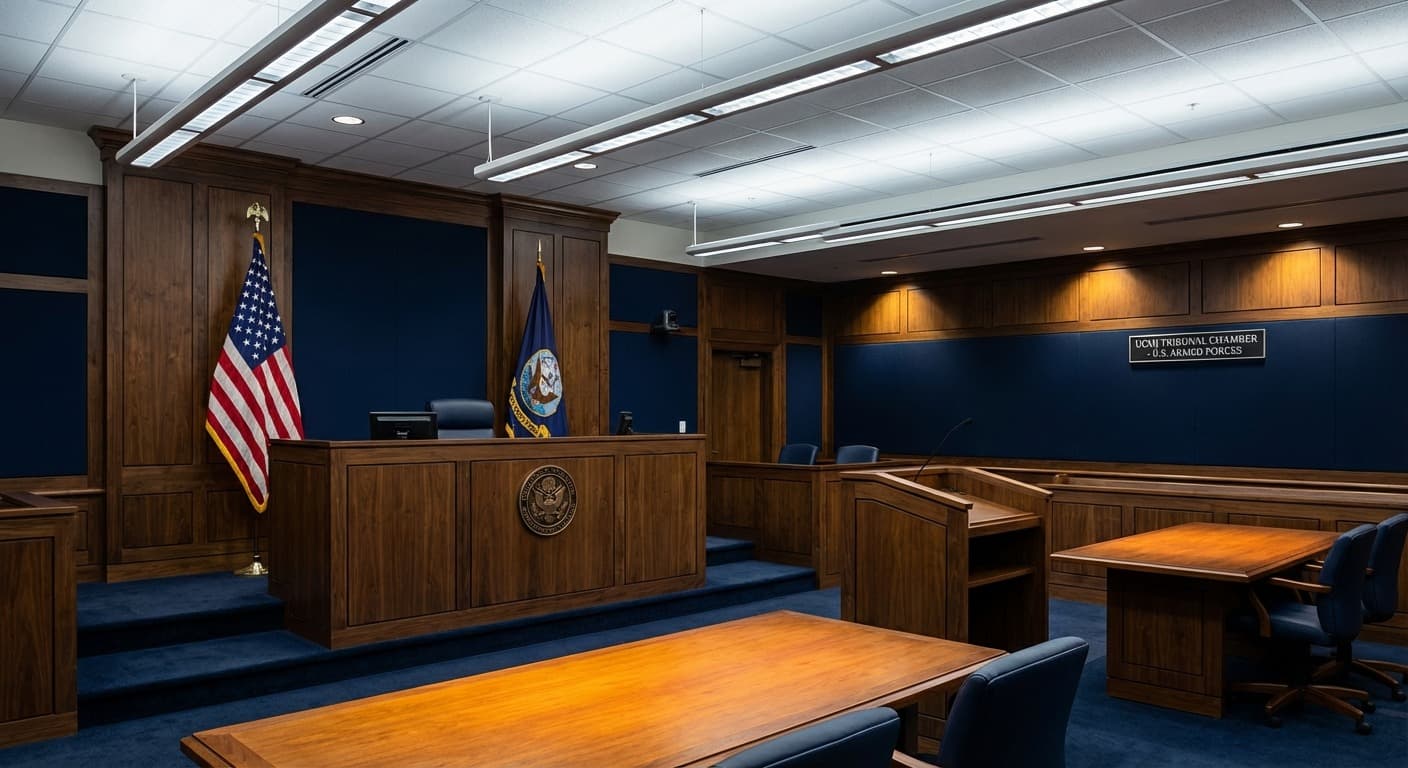
“State law doesn't change the federal standard. UCMJ drug charges are federal charges, and they're worth defending.”
A UCMJ drug conviction affects VA benefits, federal employment eligibility, and civilian careers. Drug offenses frequently trigger administrative separation proceedings, which determine discharge characterization and VA eligibility for life. The consequences extend far beyond the case itself.
State marijuana legalization does not change UCMJ liability or security clearance adjudication. Federal standards apply regardless of state law.

Drug charges are the intersection where military law and security clearance law collide. A positive urinalysis triggers UCMJ action. That same positive test triggers a security clearance review. A Statement of Reasons follows. If you are a service member, a clearance revocation can cost you your job regardless of the outcome of any UCMJ proceeding. Matthew handles both sides of that collision, and he coordinates the defense strategy so the positions you take in one proceeding do not create problems in the other.
The zero-tolerance policy in the military means exactly what it says. Marijuana use, regardless of whether it occurred in a state where marijuana is legal, is a violation of Article 112a of the UCMJ. CBD products that contain trace amounts of THC can produce a positive urinalysis result. A family member's medical marijuana card can create a clearance issue if you are living in the same household. These are real scenarios Matthew handles regularly.
The defense of a UCMJ drug case often turns on the reliability of the underlying test. Urinalysis procedures, chain of custody, DOD-certified laboratory protocols, and command drug testing policies all have specific requirements. A technical deficiency in any of these can challenge the government's evidence.
Beyond the UCMJ case itself, the clearance and career consequences require their own strategy. A drug-related conviction or positive test creates an SF-86 disclosure obligation that follows you through every reinvestigation.
112a
UCMJ Article governing wrongful use and distribution of controlled substances
7yr+
SF-86 drug history lookback. Use while holding a clearance must be disclosed permanently.
2×
USMC Defense Counsel of the Year (Regional & National)
Marijuana is still a UCMJ violation regardless of state law
Federal law, service-specific orders and regulations, and the UCMJ all govern military service members. State legalization of marijuana does not affect your liability under Article 112a, nor does it affect how the conduct is treated in a security clearance adjudication.
Drug-related SORs require both legal and disclosure strategy
A drug-related Statement of Reasons or clearance denial is not just about what happened. It is about how the conduct is characterized, what mitigation exists, and how the SF-86 disclosure reads.
UCMJ conviction consequences reach past military service
A federal conviction under the UCMJ, or a punitive discharge arising from drug charges, affects VA benefits eligibility, federal employment suitability, and any security clearance.
The urinalysis result is not always bulletproof
UCMJ drug cases frequently rely on urinalysis results. Those results depend on a chain of custody that starts at the collection point and ends at a DOD-certified laboratory. Procedural errors in any of these can undermine the government's evidence.
CBD and THC exposure create real clearance problems
CBD products are not regulated for THC content. Some products contain enough THC to produce a positive urinalysis. A positive test in a clearance context triggers disclosure and adjudication regardless of whether you knowingly consumed THC.
The UCMJ case and the clearance case affect each other
What you say in the UCMJ proceeding becomes part of the record the clearance adjudicator reviews. Matthew coordinates both defenses so they support each other instead of creating contradictions.
Frequently Asked Questions
Common Questions About Military Drug Crimes
Yes. The UCMJ is federal law, and service members are subject to federal drug policies regardless of state law. Even in states where marijuana is legal, its use remains prohibited for military personnel.
Article 112a of the UCMJ governs wrongful use, possession, manufacture, and distribution of controlled substances, including marijuana, cocaine, heroin, and prescription drugs used without authorization.
Drug involvement is one of the most common disqualifying factors in security clearance adjudications. A charge, even without conviction, can trigger an SOR and revocation proceedings.
CBD products are not federally regulated for THC content. Some products contain enough THC to trigger a positive urinalysis. The defense strategy in these cases focuses on the source of the positive result, the chain of custody, and whether the use was knowing and wrongful under Article 112a.
Yes. The reliability of urinalysis results depends on proper collection procedures, chain of custody, laboratory protocols, and command drug testing policies. Technical deficiencies in any of these can undermine the government's evidence.

Two Ways to Start
Your case deserves focused representation.
Matthew offers a free 15-minute call. You explain the situation. He tells you whether it's a case he handles, what it involves, and what representation costs. No pitch. If your situation needs more depth, the paid strategy consultation goes there.
All other matters · Paid