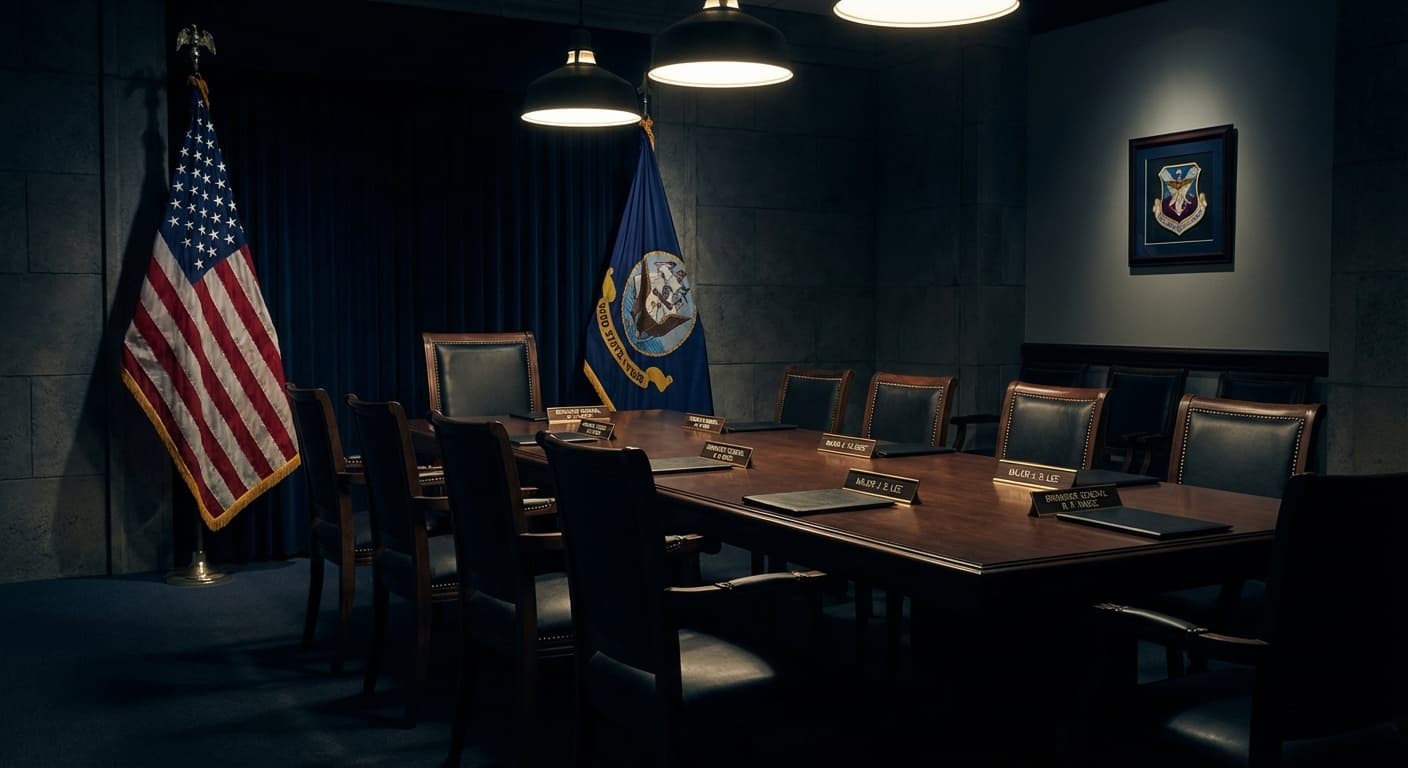
Board of Inquiry Defense for Military Officers.
A Board of Inquiry puts your commission on the line. If you are within a few years of retirement eligibility, the financial exposure can exceed a million dollars in lifetime benefits. The December 2024 amendment to 10 U.S.C. 1182 changed what a BOI retain decision means: the Secretary of the military department, on the recommendation of the service chief, can now override a retain finding in limited circumstances. The BOI record has to be built as though it may be reviewed at the highest levels of the department.
Free 15-Min Call
Board of Inquiry Defense
Board of Inquiry Defense
Commissioned officers facing a Board of Inquiry go through a different process, with its own timelines and governing authorities, than enlisted service members.
Representation runs from the flag and investigation stage through the Show Cause response, the BOI itself, post-board submissions, and, where warranted, Secretarial appeal.
Need ongoing support?
“A Show Cause board is not a formality. Your commission, your retirement, your entire career: all of it is on the table.”
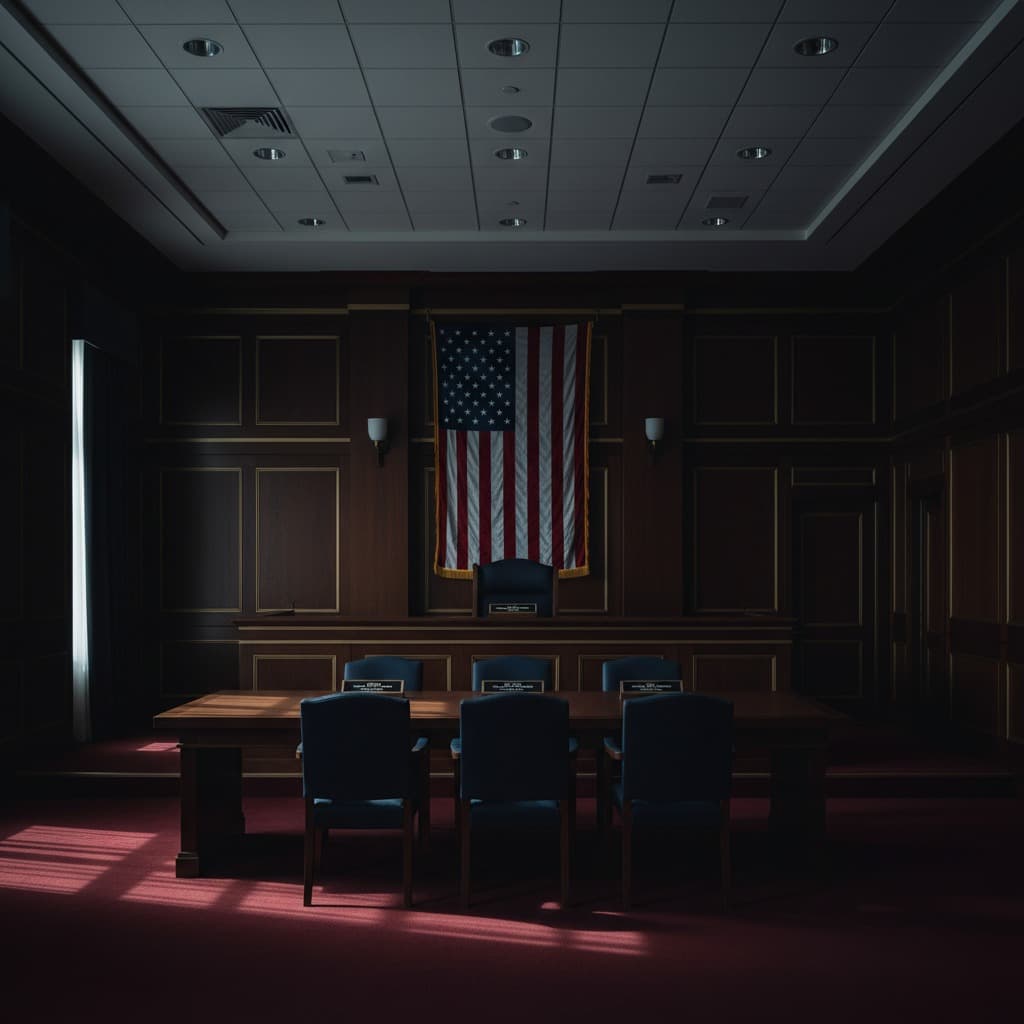
Elimination before twenty years of service means no retirement, potentially a million dollars or more in lifetime benefits lost. That financial exposure makes private counsel a practical reality, not a luxury.
A Board of Inquiry is the military's formal mechanism for deciding whether a commissioned officer should be retained or involuntarily separated. It is not the same as an enlisted administrative separation board. The panel is three officers senior in grade to the respondent. The rules are officer-specific. The standards for retention and separation are different. And the consequences of an adverse outcome cascade through the officer's entire record and retirement picture.
The December 2024 amendment to 10 U.S.C. 1182 changed how a retain decision lands. Previously, a BOI retain decision effectively closed the matter. After the amendment, the Secretary of the military department, on the recommendation of the service chief, can override a retain finding in limited statutory circumstances. The practical consequence: every retain decision should be protected through proactive post-board submissions, not treated as final the day the board announces findings.
The Show Cause notification is the starting point. It lays out the basis for potential separation and gives you a window to respond. A strong, well-supported response can sometimes resolve the matter before a BOI is ever convened, and that outcome is worth pursuing.
If the BOI moves forward, the hearing becomes adversarial. The government presents its case, witnesses testify, evidence is introduced, and the panel asks direct questions. You have the right to testify or remain silent, call your own witnesses, and challenge the evidence. How you present yourself in that room, under pressure, can carry as much weight as the underlying record.
After the hearing, the board deliberates and makes findings on the allegations, then recommends retention or separation, along with a characterization of service if separation is advised. The case then goes to the separation authority for a final decision.
Officers in Show Cause proceedings often face parallel issues, including security clearance reviews based on the same underlying conduct. When those processes run at the same time, the strategy must be coordinated. What you say and present in one forum can directly affect the other.
Matthew is a Former Marine Judge Advocate and Former Active-Duty Defense Counsel. He has appeared at Boards of Inquiry and represented officers through every stage of the misconduct pipeline. He brings the same preparation to a BOI that he brings to a contested court-martial: witness preparation, documentary evidence, motions practice, and direct testimony preparation.
What You Need to Know
Read this before you do anything.
The December 2024 statutory change: retain is no longer the end of the matter
Amendments to 10 U.S.C. 1182 effective December 2024 allow the Secretary of the military department, on the recommendation of the service chief, to override a Board of Inquiry retain decision under limited statutory circumstances. Retain decisions now need to be protected through proactive post-board submissions and a record built for higher-level review.
Board of inquiry panels are not passive
Board of inquiry panels ask questions. They hear testimony. They watch how an officer carries themselves and responds under pressure. That dynamic is different from a paper submission, and the preparation has to match.
Retirement eligibility is often on the line
A separation at 15, 17, or 19 years of service can cost the officer retirement entirely, which can mean a million dollars or more in lifetime benefits. The financial stakes are part of why the BOI defense is not a place to save money on counsel.
Officer-specific rules shape the proceeding
BOI proceedings run under different rules than enlisted separation boards. The panel is composed of officers senior in grade to the respondent, evaluating one of their own. How the case is presented, the evidence introduced, and the officer's testimony all land differently in that context.
The misconduct pipeline starts well before the BOI
The flag, the investigation, any officer NJP, the report of misconduct, a possible detach for cause, and the Show Cause determination all feed the BOI record. Counsel engaged at the flag or investigation stage can shape the documentary record the BOI eventually sees.
The rebuttal to the report of misconduct is critical
The officer's written rebuttal to the report of misconduct is one of the most consequential documents in the entire pipeline. It is reviewed by the same flag officer who makes the Show Cause recommendation. A rebuttal that directly challenges the CO's characterization, presents favorable evidence, and builds a compelling retention narrative can change the Show Cause recommendation before a board is ever convened.
Security clearance reviews often run in parallel
The misconduct or performance issues driving the Show Cause are often the same issues that trigger a clearance review. Defense strategy has to coordinate across both tracks so positions taken in one proceeding do not create problems in the other.
Post-board submissions are the last direct opportunity
An adverse BOI recommendation does not automatically result in elimination. The officer can submit post-board matters to the separation authority before the final decision. After the December 2024 amendment, proactive submissions are equally important for protecting a retain decision from potential override.

How It Works
The process, step by step.
Show Cause notice arrives
The Show Cause notification identifies the basis and gives you a window to respond. A strong response can close the case before a BOI is ever convened. That outcome is worth pursuing. A BOI is not inevitable.
Show Cause response
Matthew drafts the response with the goal of convincing the reviewing authority to close the matter without a board. The response addresses each allegation, presents mitigation, and makes the case that separation is not warranted.
BOI scheduling and preparation
If the BOI is convened, Matthew works through the complete case: witness preparation, documentary exhibits, motions, and direct testimony preparation.
The Board of Inquiry hearing
Three senior officers hear the case. Matthew presents evidence, examines witnesses, argues mitigation, and handles panel questions.
Post-board submissions
After the BOI recommendation, the officer can submit additional matters to the separation authority before the final decision.
Post-Board Review & Final Action
After the hearing, the case is forwarded for review by the convening authority and typically the Separation Authority, often at the service-secretary level. The officer may be allowed to submit additional matters, such as a post-board response, highlighting errors or unfairness in the proceedings. Depending on the outcome, further review may be available through avenues like the BCMR/BCNR, the Physical Disability Board of Review, or federal court. A well-developed and accurate record at the hearing stage is critical for any later challenge.
Why Matthew Thomas
A litigator. Not a paper-filer.
Former Marine Corps Judge Advocate. Active-duty defense counsel before private practice.
2x USMC Defense Counsel of the Year, nationally and for the Eastern Region in 2021.
Tried cases before military judges. Cross-examined witnesses. Argued motions. Matthew doesn't submit paperwork and hope. He litigates.
Represents clients nationwide across all branches and all case types.
“A Show Cause board is not a formality. Your commission, your retirement, your entire career: all of it is on the table.”
Common Questions
Frequently Asked Questions
Have a question not covered here? The free 15-minute triage call is the fastest way to get a direct answer.
A BOI is a formal, trial-like hearing for commissioned officers facing Show Cause proceedings. A panel of at least three officers senior in grade to the respondent decides whether the basis for elimination occurred, whether separation is warranted, and what characterization of service applies. The officer is entitled to legal representation, both assigned military counsel and retained civilian counsel.
Amendments to 10 U.S.C. 1182 effective December 2024 allow the Secretary of the military department, on the recommendation of the service chief, to override a BOI retain decision in limited statutory circumstances. A retain decision no longer automatically closes the matter. The BOI record should be built for potential high-level review, and proactive post-board submissions can help protect a retain finding.
Common triggers include substandard performance, misconduct (including conduct addressed at officer NJP), civilian court involvement, physical standards failures, and patterns of conduct captured in fitness reports. A Show Cause recommendation from a flag or general officer typically drives the BOI referral.
A Show Cause notice is the formal notification that the military is considering separating the officer. It identifies the basis and provides a window to respond. A strong response, with a well-built rebuttal and supporting evidence, can resolve the matter without a BOI.
Yes. The BOI makes a recommendation, not a final decision. A strong presentation can support retention, a lesser characterization than the command sought, or a separation outcome that preserves retirement and benefits. After the December 2024 amendment, a retain finding also requires post-board protection against potential Secretarial override.
BOI proceedings apply to commissioned officers, run under officer-specific rules, and use a panel senior in grade to the respondent. Enlisted administrative separation boards apply to enlisted servicemembers, run under different regulations, and involve different potential outcomes. The standards for retention, the procedural rights, and the career consequences all differ.
From the initial flag or investigation through Show Cause determination, BOI, and final separation authority decision typically runs twelve months or more. Parallel clearance reviews can extend or complicate the timeline.
A Show Cause and BOI frequently trigger a parallel clearance review. The personnel record built during the officer misconduct pipeline, including NJP findings, fitness report entries, and BOI results, is directly relevant to clearance adjudication. Defense strategy has to coordinate across both tracks.

Two Ways to Start
Your case deserves focused representation.
Matthew offers a free 15-minute call when you have an SOR, SIR, military charge sheet, or notification of separation. You explain the situation. He tells you whether it's a case he handles, what it involves, and what representation costs. No pitch.
All other matters · Paid