
The Role of Attorneys in Security Clearance Appeals
Navigating the security clearance process can be daunting. It involves multiple stages and strict guidelines. For many, a security clearance is crucial for their career. It grants access to classified information in government and military roles. However, the process is complex and can be overwhelming. This is where a security clearance defense attorney becomes invaluable. These attorneys specialize in guiding individuals through the intricate clearance process. They offer expertise in handling denials, appeals, and other challenges. Understanding their role can significantly impact your clearance journey. Let's explore how they can assist you in securing your future.
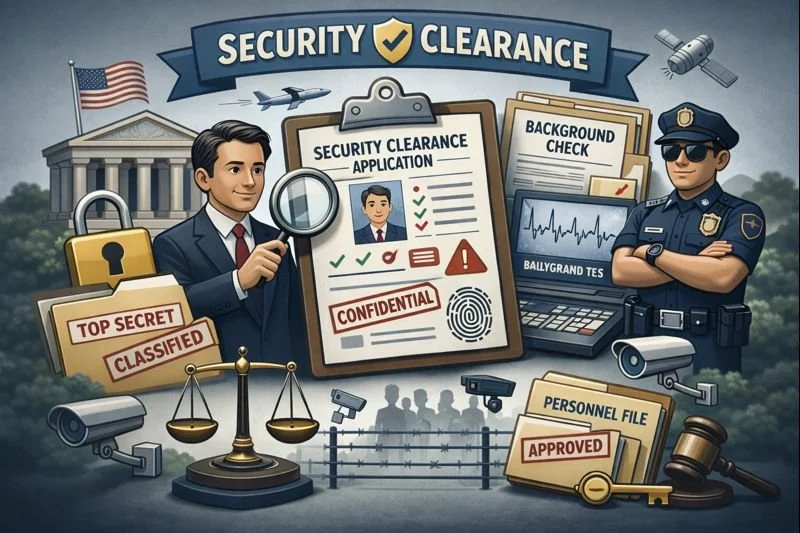
Understanding the Security Clearance Process
The security clearance process is essential for many roles. It allows access to sensitive and classified information. This procedure involves multiple steps and thorough scrutiny. One key stage is the background investigation. It reviews your personal, financial, and professional history. The aim is to ensure trustworthiness and reliability. Following the investigation is the adjudication phase. In this phase, your gathered data is evaluated. The adjudicators will decide if you meet the clearance requirements.
The security clearance process often includes:
SF-86 Submission: Initial paperwork and questionnaires
Background Check: Comprehensive review of past behavior
Adjudication: Decision-making based on findings
Periodic Reinvestigation: Regular checks after initial approval
The importance of understanding this process cannot be overstated. Knowing what to expect makes a significant difference. It helps applicants prepare and address potential issues.
Key Agencies and Guidelines: DCSA, SEAD 4, and DOHA
Several agencies and guidelines are crucial in the security clearance landscape. The Defense Counterintelligence and Security Agency (DCSA) is at the forefront. DCSA manages the clearance process for government personnel and contractors. Guidelines such as SEAD 4 outline adjudication standards. SEAD 4 provides a framework for assessing eligibility and risks. Understanding these guidelines is vital for applicants to adhere to clearance requirements. The Department of Hearings and Appeals (DOHA) plays a pivotal role in appeals. If your clearance is denied, DOHA becomes your pathway for challenging the decision. Effective navigation through these agencies and guidelines is vital for a successful outcome. Key agencies and guidelines in security clearance include:
DCSA: Oversees the clearance process
SEAD 4: Sets adjudication criteria
DOHA: Handles appeals and hearings
Each of these plays a unique role in shaping outcomes. Grasping their roles and guidelines aids in navigating the clearance process.
Common Reasons for Security Clearance Denial or Revocation
Security clearance denials or revocations can occur for various reasons. Understanding these issues is crucial for applicants. Common reasons often involve personal conduct or situational factors. Financial problems, such as debt or bankruptcy, frequently lead to denials. Financial irresponsibility can indicate potential risks or vulnerabilities. Criminal conduct or legal issues also pose significant barriers to clearance approval. Foreign influence, including ties to non-U.S. entities, raises red flags. This includes associations that might compromise national security interests. It's crucial to address these issues proactively. Common reasons for clearance denial or revocation include:
Financial issues: Debt or bankruptcy
Criminal conduct: Legal infractions
Foreign influence: Non-U.S. associations
Being aware of these reasons can help applicants take corrective actions. Mitigating these factors enhances the chances of a successful application.
The Role of a Security Clearance Defense Attorney
A security clearance defense attorney plays a crucial role in the clearance process. They offer expert legal guidance tailored to each individual's unique situation. Their assistance is invaluable from initial application through any necessary appeals. Attorneys provide clarity on legal requirements and obligations. They help applicants understand complex documents and adjudicative guidelines. Their knowledge spans agencies, like the DCSA and processes outlined in SEAD 4. If you face issues like a denial or an SOR, these lawyers can help. They prepare and present compelling evidence to counteract concerns. Their strategic planning can significantly influence the outcome of a case.
A security clearance defense attorney can assist with:
Understanding adjudicative guidelines
Preparing a response to a Statement of Reasons
Navigating the appeals process effectively
Legal representation enhances chances of clearance approval. They offer support and advocacy when stakes are high. Partnering with an attorney often provides peace of mind throughout the clearance journey.
Responding to a Statement of Reasons (SOR)
Receiving a Statement of Reasons (SOR) can be daunting. It's crucial to respond with a well-crafted strategy. An attorney can guide you through this complex process. This response outlines why clearance was denied or is at risk. You must address each concern systematically. Providing substantial evidence is essential to refute the claims made in the SOR. A security clearance lawyer helps develop a comprehensive response. They ensure every point is addressed with supporting documentation. An effective reply can prevent further denial and aid in the appeals process. An effective SOR response should include:
Clear identification of disputed facts
Supporting documentation and evidence
Strong argumentation for mitigation or resolution
Navigating the Appeals Process with Legal Help
The appeals process for security clearance issues can be overwhelming. Legal expertise simplifies this complex journey. An attorney ensures you are well-prepared for each step. When you file an appeal, meticulous documentation is crucial. Lawyers assist in gathering and organizing evidence. They highlight strengths in your case while addressing potential weaknesses. Experienced attorneys guide you through hearings and interviews. They provide strategies tailored to your specific situation. Their support can significantly enhance your chances of a positive outcome. Essential elements during appeals include:
Comprehensive documentation of your case
Thorough preparation for hearings
Experienced representation in interviews
How Attorneys Improve Your Chances of Success
Attorneys play a crucial role in enhancing your security clearance success. Their expertise helps identify key issues and provide viable solutions. They are familiar with the intricate clearance process, which bolsters your application or appeal. Legal counsel offers personalized strategies that address your unique situation. They can highlight mitigating factors and craft compelling arguments in your favor. Noteworthy contributions of attorneys include:
Tailored strategies for case specifics
Identification of potential red flags
Presentation of evidence and arguments
Choosing the Right Security Clearance Lawyer
Selecting the right security clearance lawyer is crucial. Start by looking for attorneys with specific experience in security clearance cases. Their familiarity with the process can make a significant difference. Consider the following factors when making your choice:
Experience with DCSA, SEAD 4, and DOHA
Proven track record of successful outcomes
Clear communication skills
Additionally, personal rapport is important. Ensure your lawyer understands your situation and communicates effectively. This will help in building a strong, collaborative relationship for a successful case outcome.
Conclusion: The Value of Matthew Thomas Law, PLLC in Security Clearance Matters
Legal representation in security clearance matters is essential to protecting your career and livelihood. A skilled security clearance attorney provides experienced guidance at every stage of the process, from initial preparation to responding to allegations and advocating on your behalf. Security clearance defense involves strategic planning, detailed analysis, and a deep understanding of federal adjudicative guidelines.
At Matthew Thomas Law, PLLC, clients receive tailored legal advice designed to navigate the complexities of security clearance investigations and appeals. By anticipating issues, presenting mitigating evidence, and aggressively defending your eligibility, a knowledgeable lawyer can significantly improve your chances of a favorable outcome. Engaging experienced counsel is an investment in your professional future—and in securing the clearance you need to move forward with confidence.